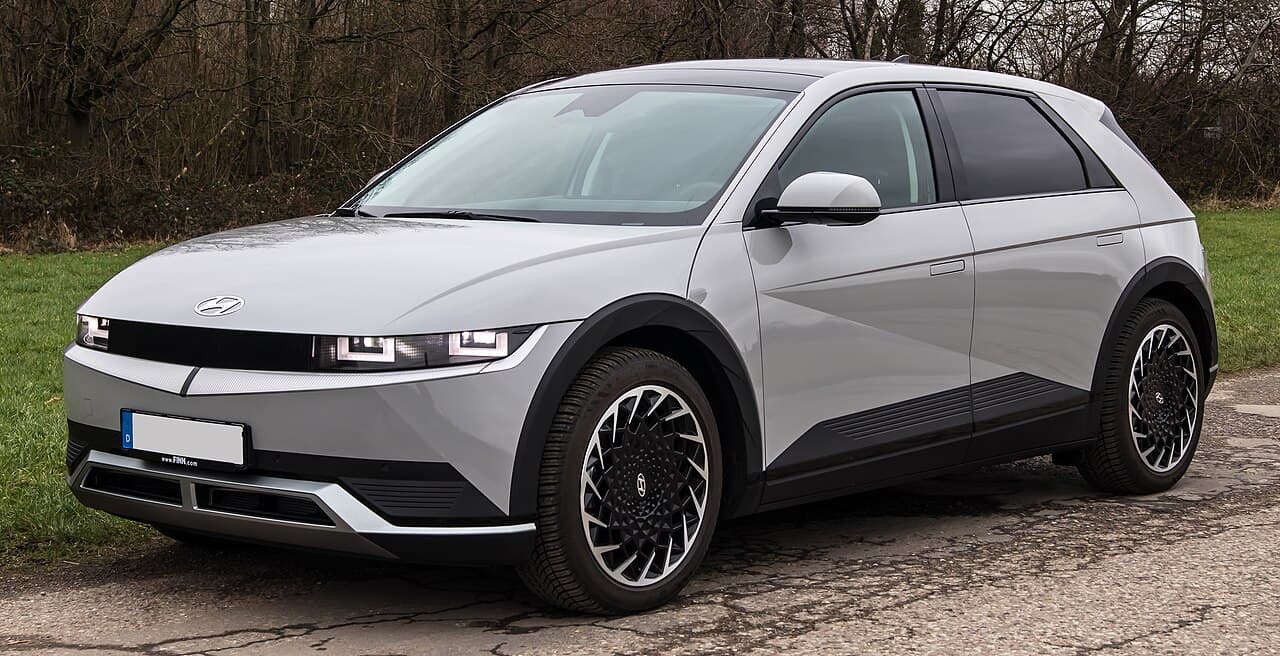
Hyundai IONIQ 5 N Real-World Track Test: Can Synthetic Shifts Recreate Soul?
R
Ryo Tanaka
· 6 min read read
0 min left
Let's be completely candid: when Hyundai announced the IONIQ 5 N would feature fake engine sounds and simulated paddle-shift gear changes that mimic an 8-speed dual-clutch transmission, most automotive journalists rolled their eyes. It sounded like an arcade video game gimmick.
We were wrong.
After 10 consecutive full-attack laps around the Nürburgring Nordschleife, the Hyundai IONIQ 5 N proved itself to be the most genuinely fun, engaging, and rewarding performance EV currently on sale.
Hyundai IONIQ 5 N in Performance Blue on the Nordschleife📷 Picture courtesy of Hyundai N Worldwide
The genius of Hyundai's N e-Shift system is that it doesn't just play sound through speakers; it actively interrupts motor torque to simulate the physical jolt of upshifts and downshifts. When you hit the simulated 7,800 rpm rev limiter in '3rd gear', the car actually bobs against the fuel cut:
Tactile Feedback: You know your exact corner entry speed simply through auditory and physical shift cues, eliminating the need to look down at a digital speedometer.
Downshift Blipping: Paddle downshifts deliver realistic engine braking that settles the chassis into braking zones.
Track Endurance: The 84 kWh battery features N Battery Pre-conditioning ('Sprint' vs 'Endurance' modes) with dual cooling channels that prevent thermal derating even after 30 minutes of continuous flat-out driving.
“"For the first time in an electric car, you're not just a passenger along for acceleration; you are orchestrating rhythm, weight transfer, and gear selection."”
N Drift Optimizer and Dual-Motor Torque Vectoring📷 Picture courtesy of Hyundai Motor Group