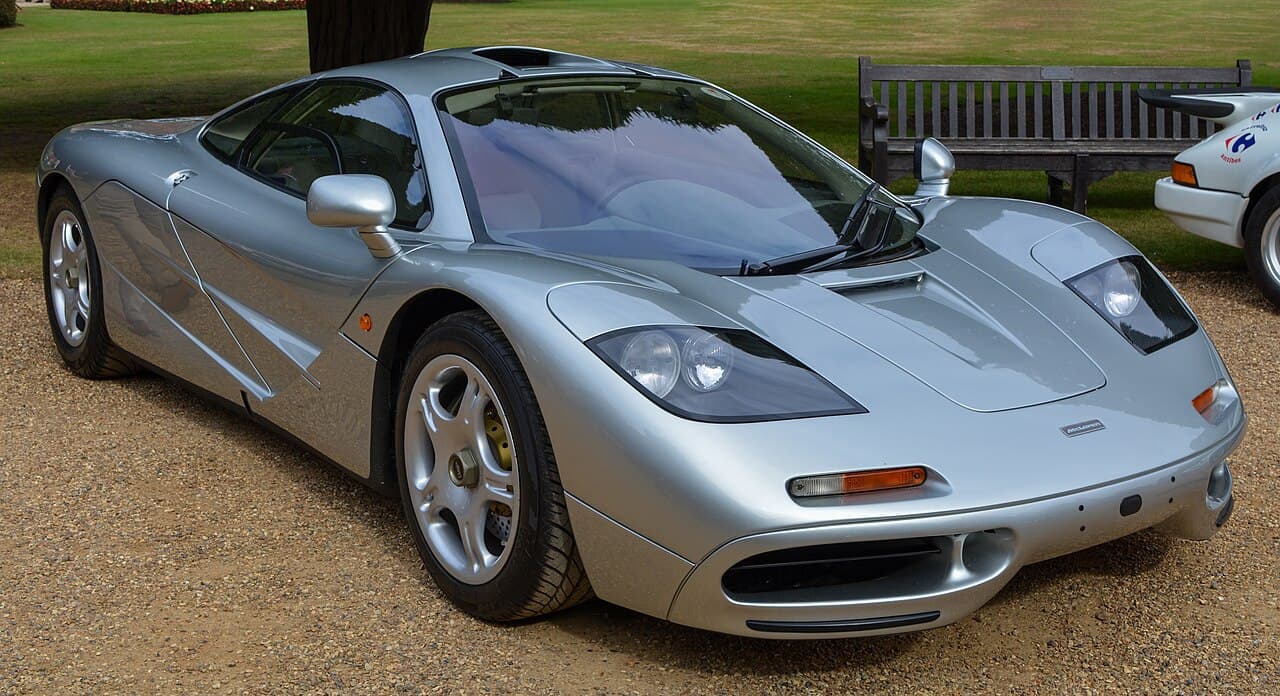
Review1993 McLaren F1 Chassis No 063 with Central Seating📷 Picture courtesy of McLaren Heritage
1993 McLaren F1: The Greatest Engineering Feat in Motoring
James Mercer
· 7 min read read
0 min left
When Formula 1 designer Gordon Murray set out to build the ultimate driver's car, he compromised on nothing. The McLaren F1 was not built to follow market trends; it was built to execute Gordon Murray's singular vision of automotive perfection.
Featuring the world's first carbon fiber monocoque in a production road car and a revolutionary central 1+2 three-seater layout, the F1 created a driving experience unmatched to this day.
Murray's Masterpiece Details#
- Engine: BMW Motorsport 6.1-liter naturally aspirated S70/2 60° V12 producing 627 HP at 7,400 rpm.
- Weight: A featherweight 1,138 kg.
- Gold Foil Heat Shielding: 16 grams of pure 24-karat gold leaf lining the engine bay for optimal thermal reflection.
- Top Speed Record: 240.1 mph (386.4 km/h) set at Ehra-Lessien in 1998—which still stands as the record for naturally aspirated production cars.
- Le Mans Victory: In 1995, a near-stock F1 GTR won the 24 Hours of Le Mans on its very first attempt.
“"The McLaren F1 is the absolute pinnacle of analog automotive engineering. It will never be surpassed."”
Related Stories & Road Tests
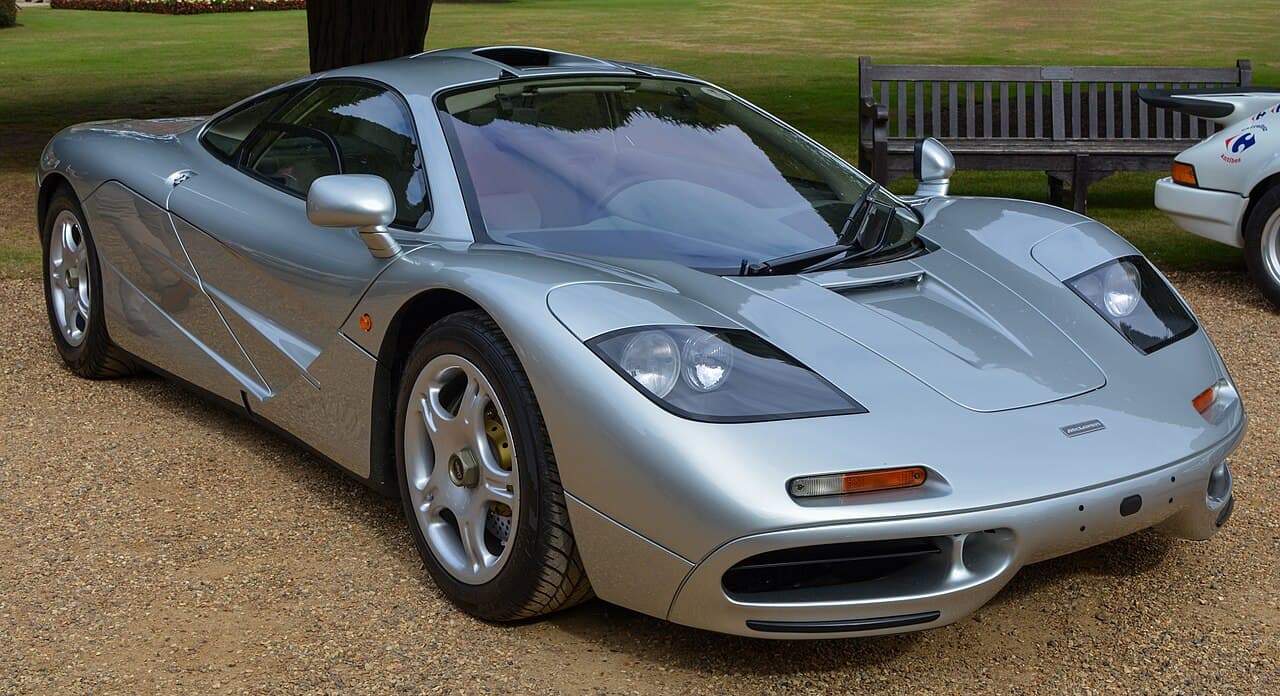
Review
The Golden Era of Analog Supercars: Why McLaren F1, F40, and Carrera GT Values Are Exploding
As modern hypercars become computerized, hybrid-assisted computers on wheels, classic analog supercars with naturally aspirated engines, gated manuals, and zero driver aids are becoming priceless holy relics.

Industry
Active Aerodynamics & Digital Twins: How Virtual Wind Tunnels Are Reshaping Supercars
From AI-driven computational fluid dynamics (CFD) to real-time morphological wings and ground-effect venturi channels, modern supercars are sculpted by digital airflow algorithms before a single metal panel is pressed.

EV
Solid-State Battery Revolution 2026: Anode-Free Tech, 1,000 km Range & 10-Minute DC Charging
The holy grail of electric propulsion moves from laboratory benches to pilot automotive production lines. We analyze the solid-electrolyte chemistries delivering 450 Wh/kg and virtually non-flammable safety.