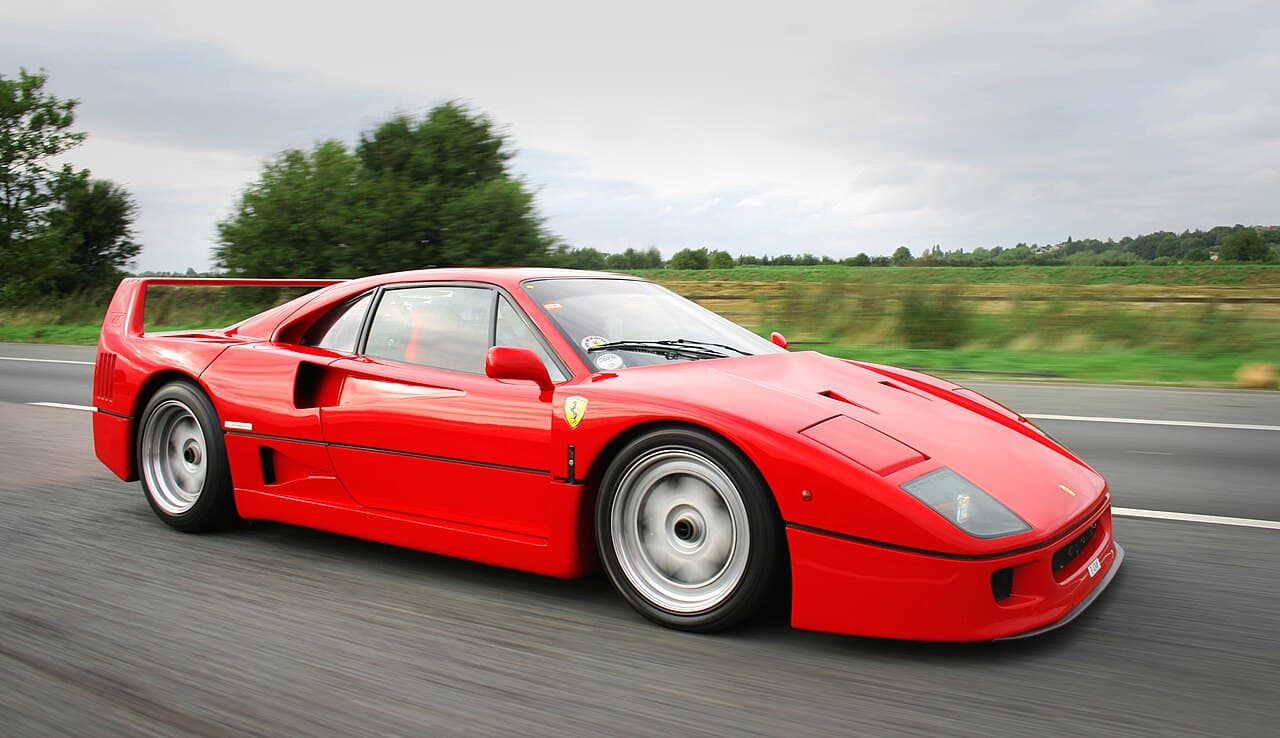
Review1987 Ferrari F40 Twin-Turbo Supercar in Rosso Corsa📷 Picture courtesy of Ferrari Historical Archives
1987 Ferrari F40: The Raw 200 MPH Carbon-Kevlar Icon
James Mercer
· 6 min read read
0 min left
Built to celebrate Ferrari's 40th anniversary, the F40 was the final car personally approved by *Il Commendatore*, Enzo Ferrari, before his passing in 1988. Enzo's brief to chief engineer Nicola Materazzi was simple: build a no-compromise road-legal racing car with zero fluff.
There were no anti-lock brakes. No power steering. No traction control. No door handles (just pull cables). The green glue holding the carbon-Kevlar weave was visible on the bare cabin floor.
The Powertrain: Twin-Turbo Ferocity#
- Engine: 2.9-liter Tipo F120A 90° V8 with twin IHI turbochargers producing 478 HP at 7,000 rpm and 577 Nm of torque.
- Weight: Just 1,100 kg dry weight thanks to carbon fiber, Kevlar, and Nomex honeycomb composite construction.
- Top Speed: 324 km/h (201 mph)—the first production road car officially verified over 200 mph.
- Transmission: 5-speed gated manual with dog-leg first gear.
“"When the turbochargers spool past 4,000 rpm, the F40 explodes down the straight with terrifying, visceral savagery."”
The F40 remains the definitive analog supercar against which all modern hypercars are measured.
Related Stories & Road Tests
Review
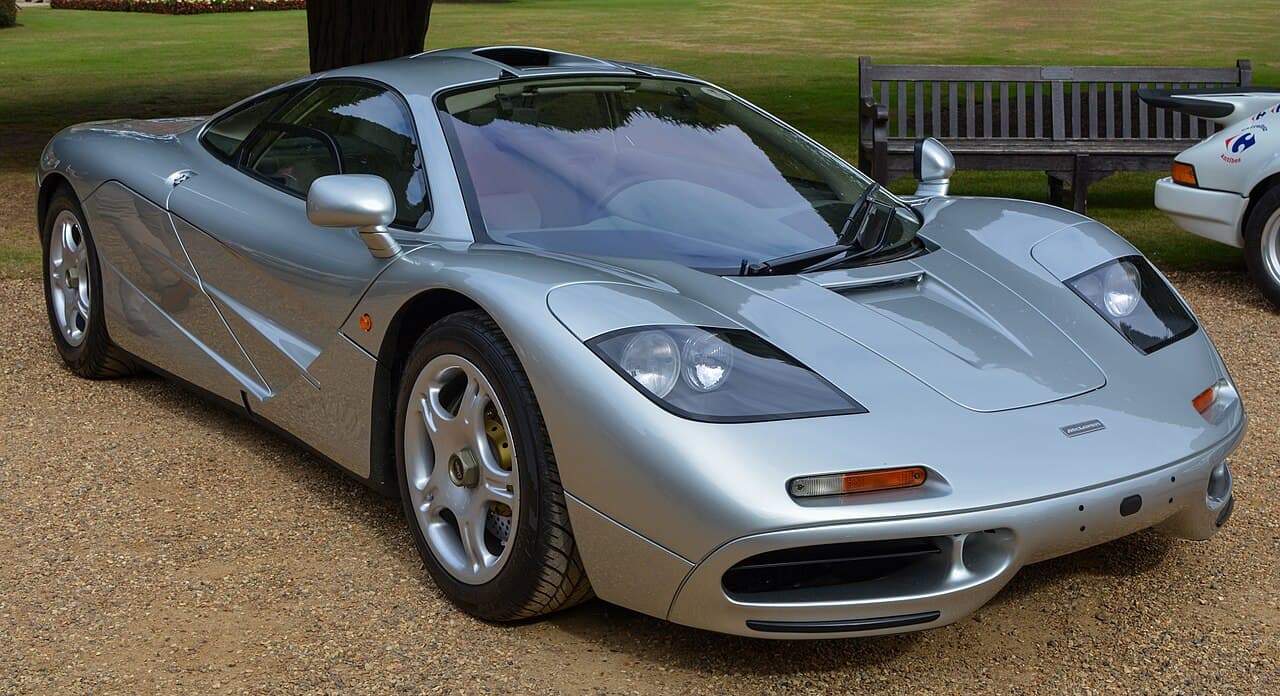
The Golden Era of Analog Supercars: Why McLaren F1, F40, and Carrera GT Values Are Exploding
As modern hypercars become computerized, hybrid-assisted computers on wheels, classic analog supercars with naturally aspirated engines, gated manuals, and zero driver aids are becoming priceless holy relics.
Industry
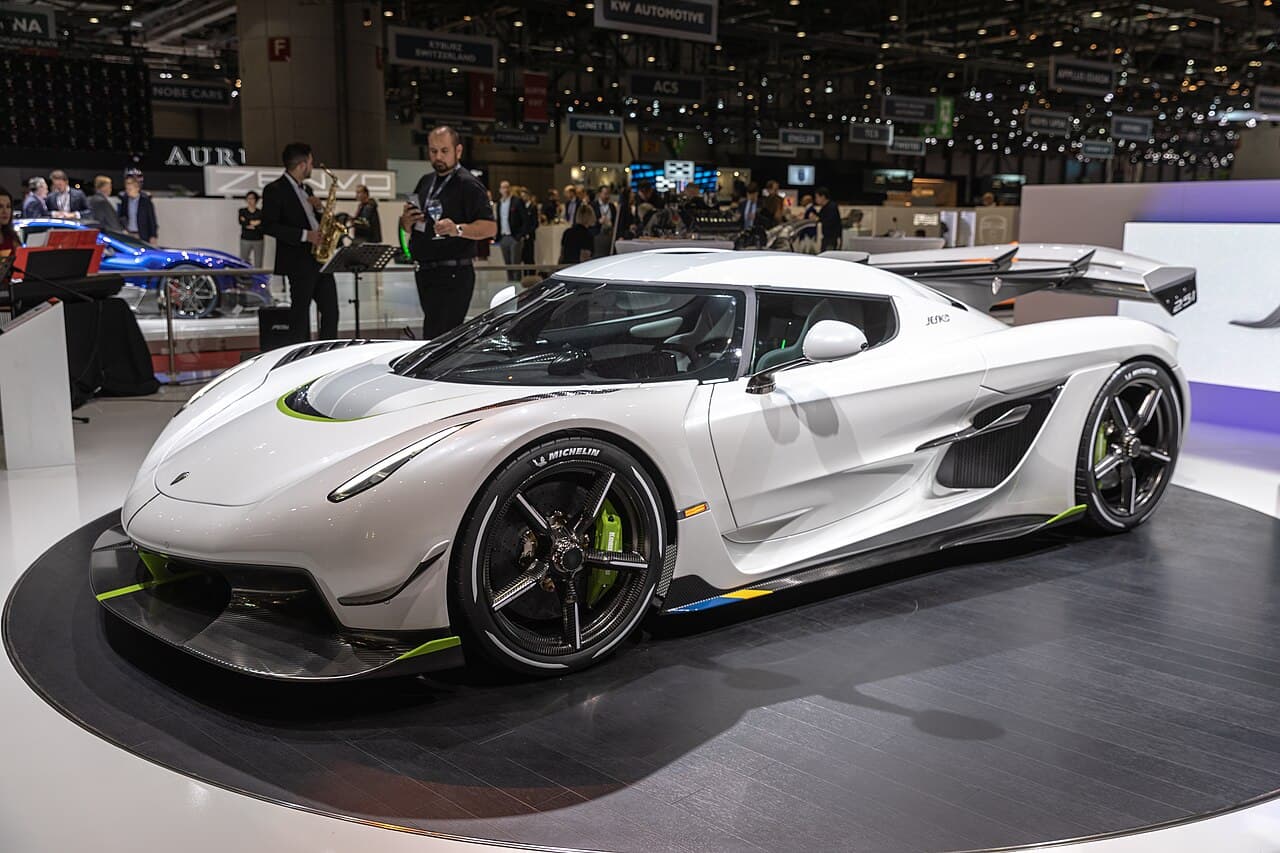
Active Aerodynamics & Digital Twins: How Virtual Wind Tunnels Are Reshaping Supercars
From AI-driven computational fluid dynamics (CFD) to real-time morphological wings and ground-effect venturi channels, modern supercars are sculpted by digital airflow algorithms before a single metal panel is pressed.
EV
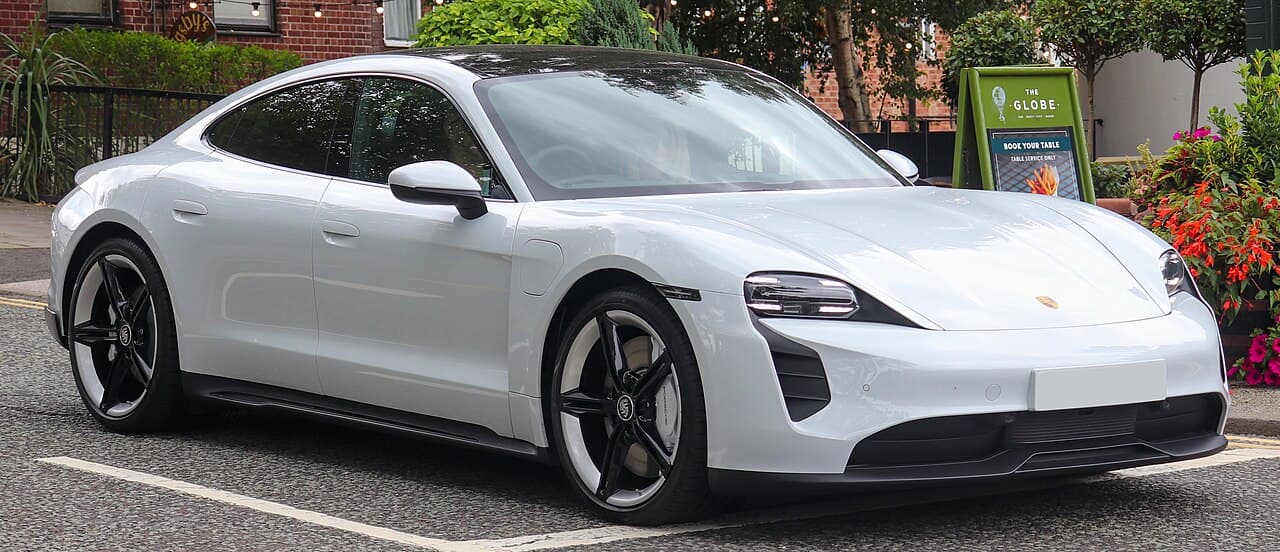
Solid-State Battery Revolution 2026: Anode-Free Tech, 1,000 km Range & 10-Minute DC Charging
The holy grail of electric propulsion moves from laboratory benches to pilot automotive production lines. We analyze the solid-electrolyte chemistries delivering 450 Wh/kg and virtually non-flammable safety.