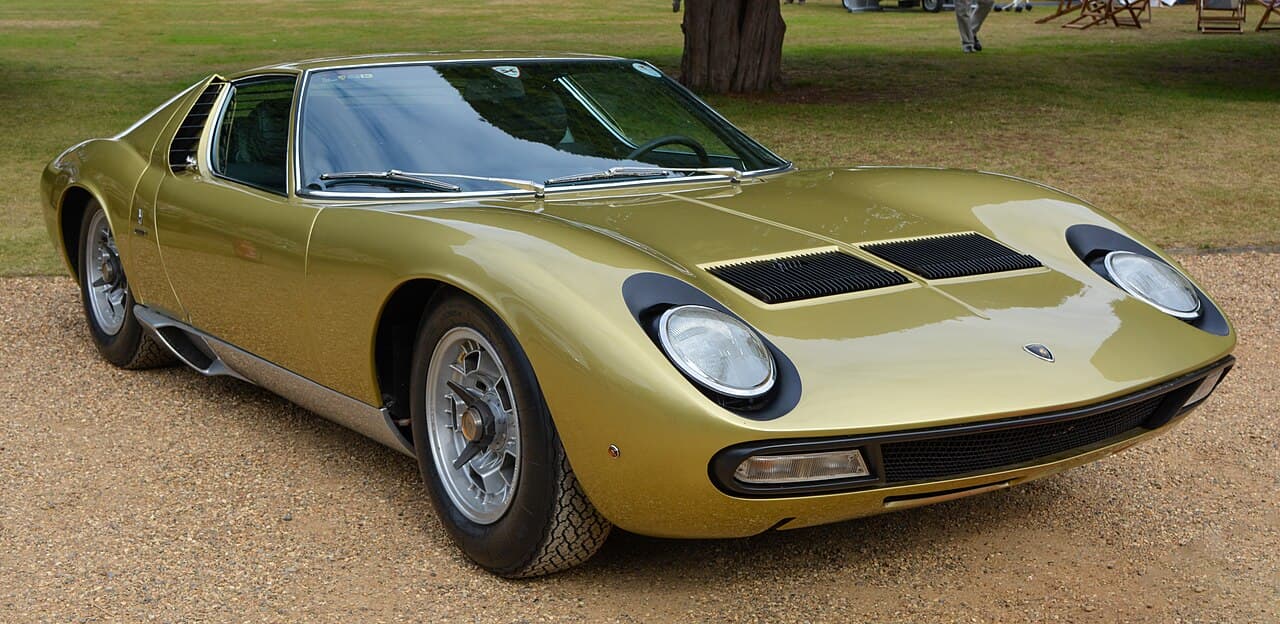
Review1971 Lamborghini Miura SV (Spinto Veloce)📷 Picture courtesy of Automobili Lamborghini
1971 Lamborghini Miura SV: The Birth of the Mid-Engine Supercar
James Mercer
· 5 min read read
0 min left
Before the Lamborghini Miura, high-performance grand tourers placed their engines in front of the driver. Young Lamborghini engineers Gian Paolo Dallara, Paolo Stanzani, and test driver Bob Wallace worked after hours to design a transverse mid-engine chassis inspired by the Ford GT40.
Wrapped in Marcello Gandini's timeless Bertone bodywork, the Miura debuted at the 1966 Geneva Salon and overnight rendered front-engine Ferraris obsolete.
The Ultimate Miura: The SV#
The 1971 Miura SV (Spinto Veloce) fixed the earlier cars' high-speed aerodynamic lift and oiling quirks:
- Split Sump: Separated engine and gearbox lubrication to prevent metal shavings from entering the engine.
- Power: 3.9-liter 60° V12 producing 385 HP at 7,850 rpm.
- Widened Rear Fenders: Accommodated 9-inch wide rear Campagnolo wheels.
- Headlight Eyelashes Removed: Giving the front end a clean, purposeful look.
The Miura SV was the car that established Lamborghini as a permanent titan of exotic performance.
Related Stories & Road Tests
Review
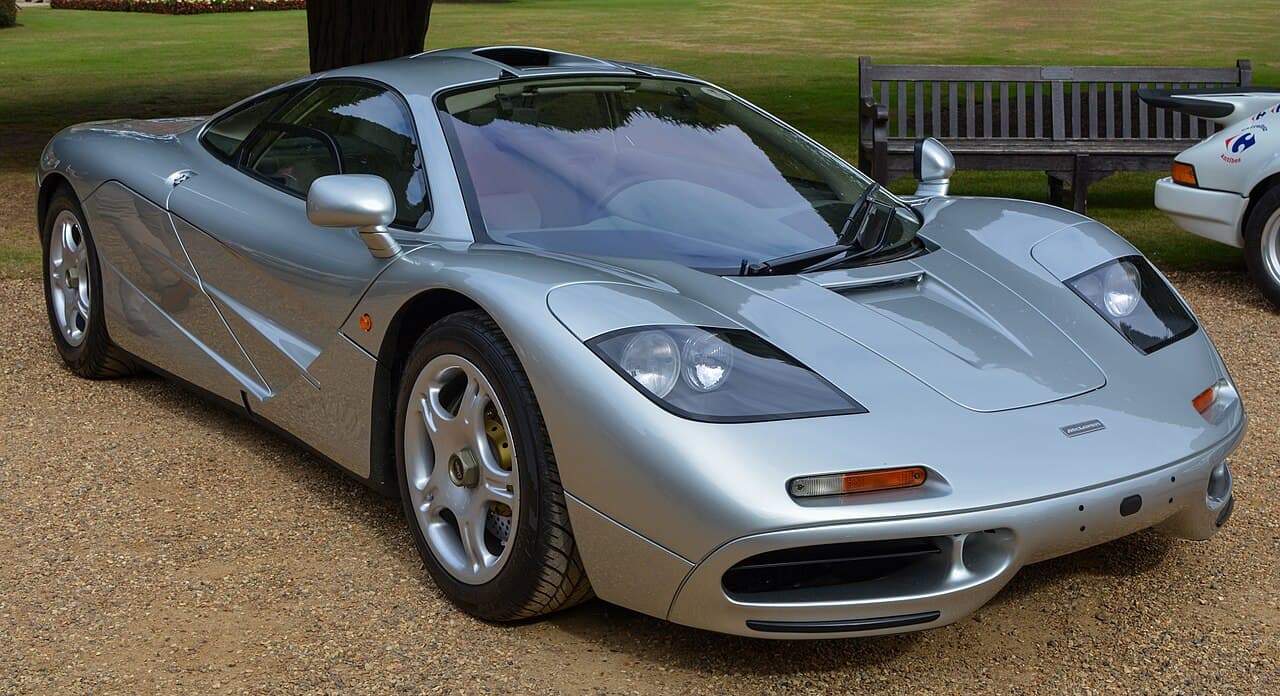
The Golden Era of Analog Supercars: Why McLaren F1, F40, and Carrera GT Values Are Exploding
As modern hypercars become computerized, hybrid-assisted computers on wheels, classic analog supercars with naturally aspirated engines, gated manuals, and zero driver aids are becoming priceless holy relics.
Industry
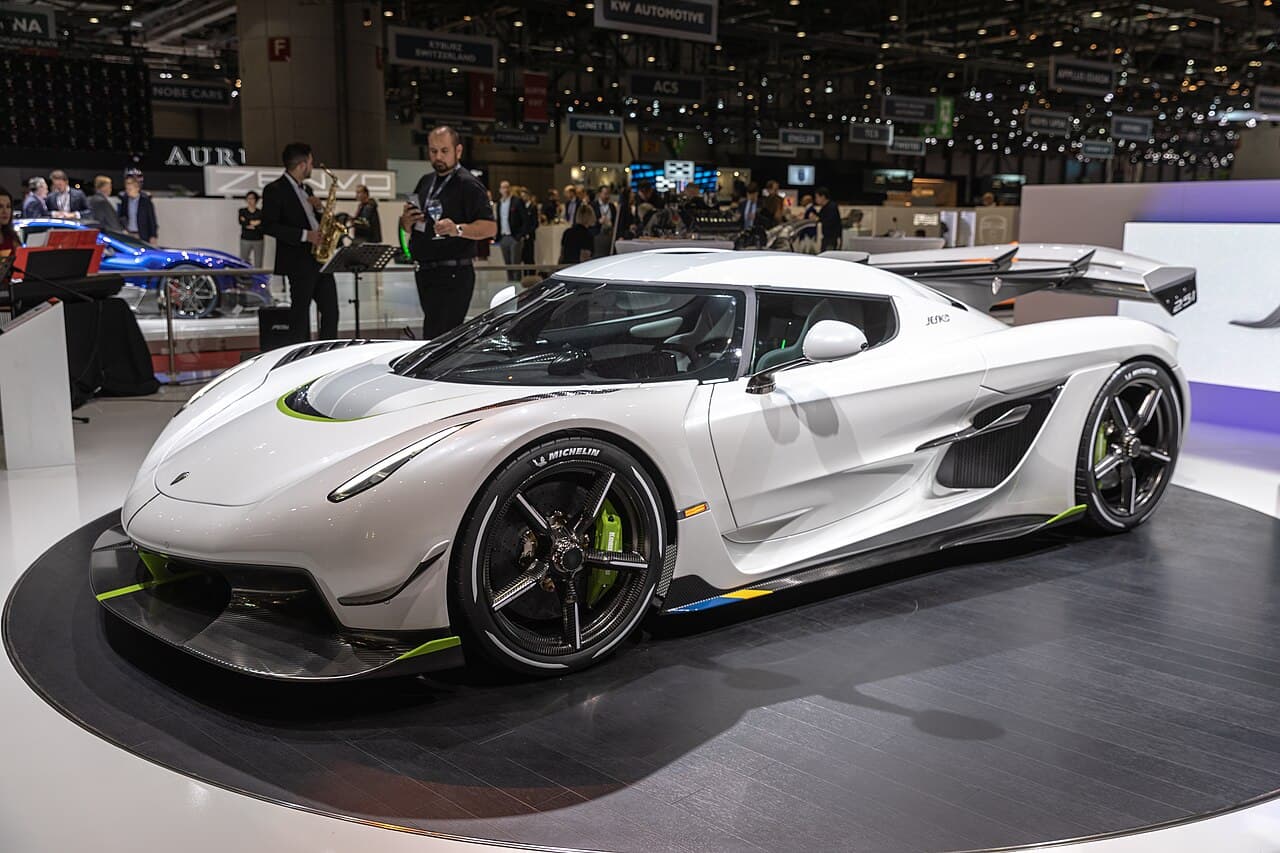
Active Aerodynamics & Digital Twins: How Virtual Wind Tunnels Are Reshaping Supercars
From AI-driven computational fluid dynamics (CFD) to real-time morphological wings and ground-effect venturi channels, modern supercars are sculpted by digital airflow algorithms before a single metal panel is pressed.
EV
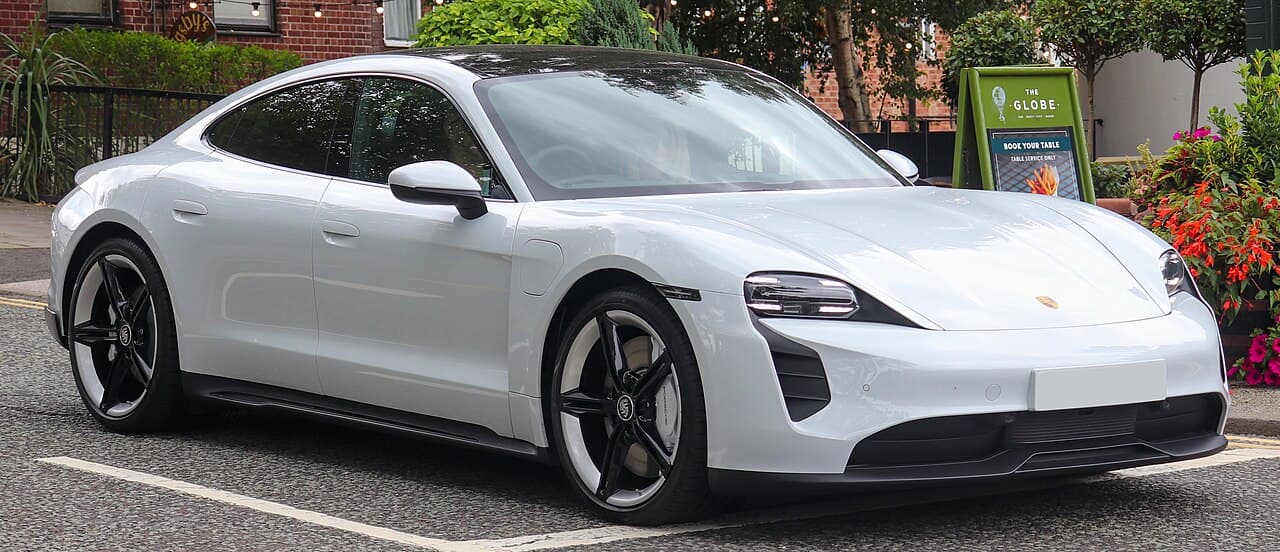
Solid-State Battery Revolution 2026: Anode-Free Tech, 1,000 km Range & 10-Minute DC Charging
The holy grail of electric propulsion moves from laboratory benches to pilot automotive production lines. We analyze the solid-electrolyte chemistries delivering 450 Wh/kg and virtually non-flammable safety.