The Manual Transmission Refuses to Die
Mia Okafor
· 5 min read
For the last two decades, the death of the manual transmission has been a foregone conclusion. But a funny thing happened on the way to the graveyard: driving enthusiasts started buying them again.
Data from J.D. Power shows that manual transmission take-rates in the US have doubled since 2021, rising from roughly 1% to just over 2% of total new car sales. While still a niche, the momentum shift is significant. In certain enthusiast segments, the numbers are even more dramatic: over half of all Mazda MX-5 Miatas sold are manuals, and the take-rate for the manual Porsche 911 GT3 is remarkably high.
What's driving the resurgence? First, a desire for engagement. As cars become increasingly insulated, digitized, and autonomous, a vocal minority of buyers are seeking out vehicles that require their full attention. The manual transmission provides a physical connection to the machine that no touch screen or lightning-fast dual-clutch transmission can replicate. It forces the driver to be an active participant in the driving process.
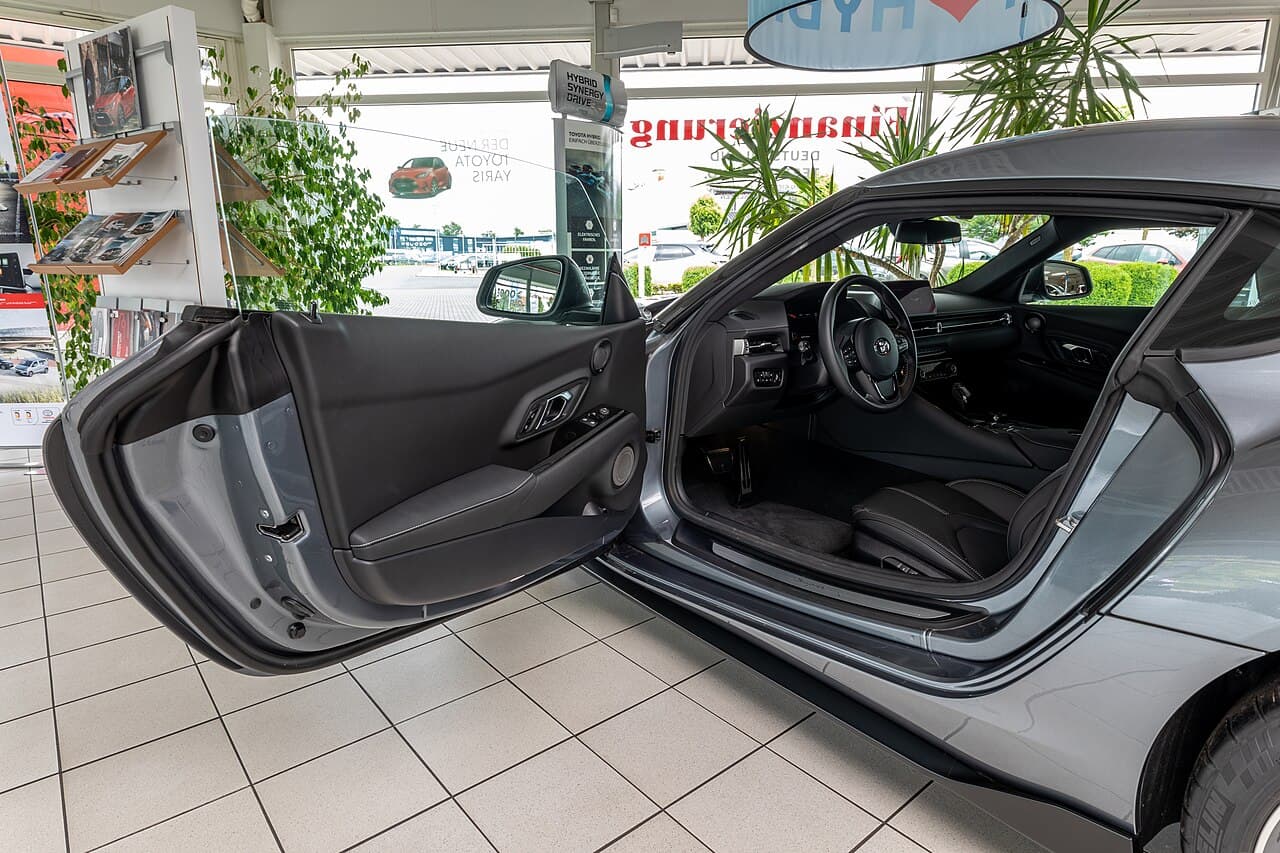
Second, automakers are leaning into the trend for their enthusiast models, treating the manual not as a budget option, but as a premium feature for purists. Toyota surprised the industry by engineering a manual transmission specifically for the six-cylinder Supra after years of insisting it couldn't be done. Porsche ensures the 911 S/T and GT3 are available with three pedals. Even niche players like Pagani are re-introducing manuals (like in the Utopia) due to customer demand from ultra-wealthy collectors who want an analog driving experience.
There is also a growing subculture of young enthusiasts discovering manuals for the first time, aided by communities on TikTok and YouTube that romanticize the skill required to drive stick.
While the impending EV transition means the manual's days are ultimately numbered, it is going out with a bang rather than a whimper. Automakers have realized that in an era where EVs offer limitless, effortless speed, the only way combustion sports cars can differentiate themselves is through pure, unfiltered engagement.