News
The EV Market in 2026: Fast Charging, Price Parity, and the New Normal
James Mercer
· 5 min read read
0 min left
As battery costs drop below $80/kWh and 800V fast-charging networks expand globally, 2026 marks the turning point where electric vehicles reach true cost and convenience parity with combustion cars.
Related Stories & Road Tests
EV
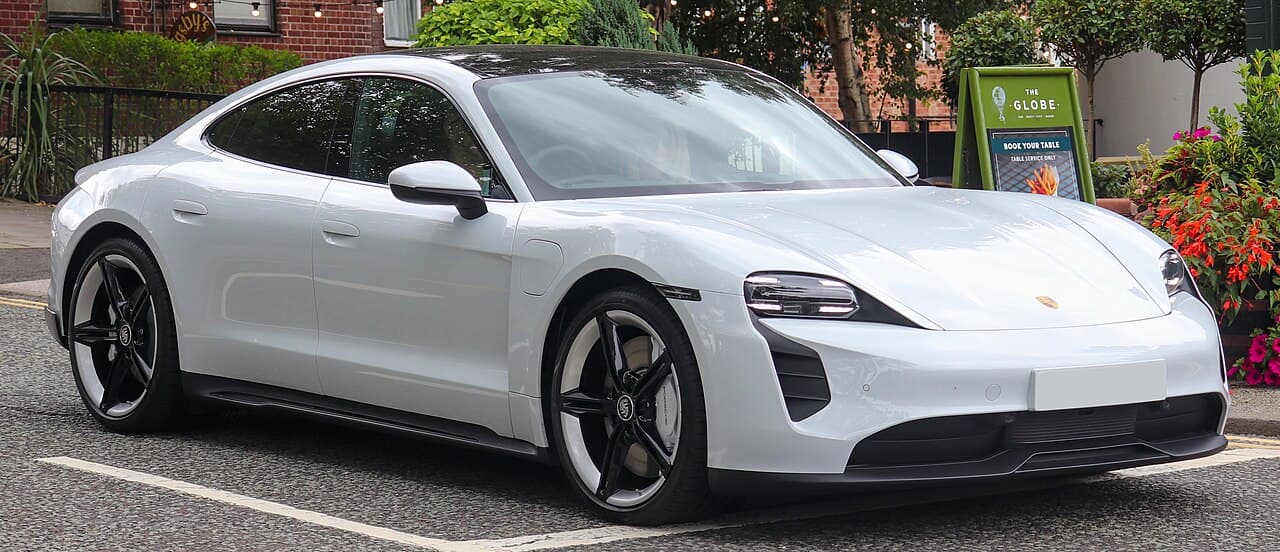
Solid-State Battery Revolution 2026: Anode-Free Tech, 1,000 km Range & 10-Minute DC Charging
The holy grail of electric propulsion moves from laboratory benches to pilot automotive production lines. We analyze the solid-electrolyte chemistries delivering 450 Wh/kg and virtually non-flammable safety.
News
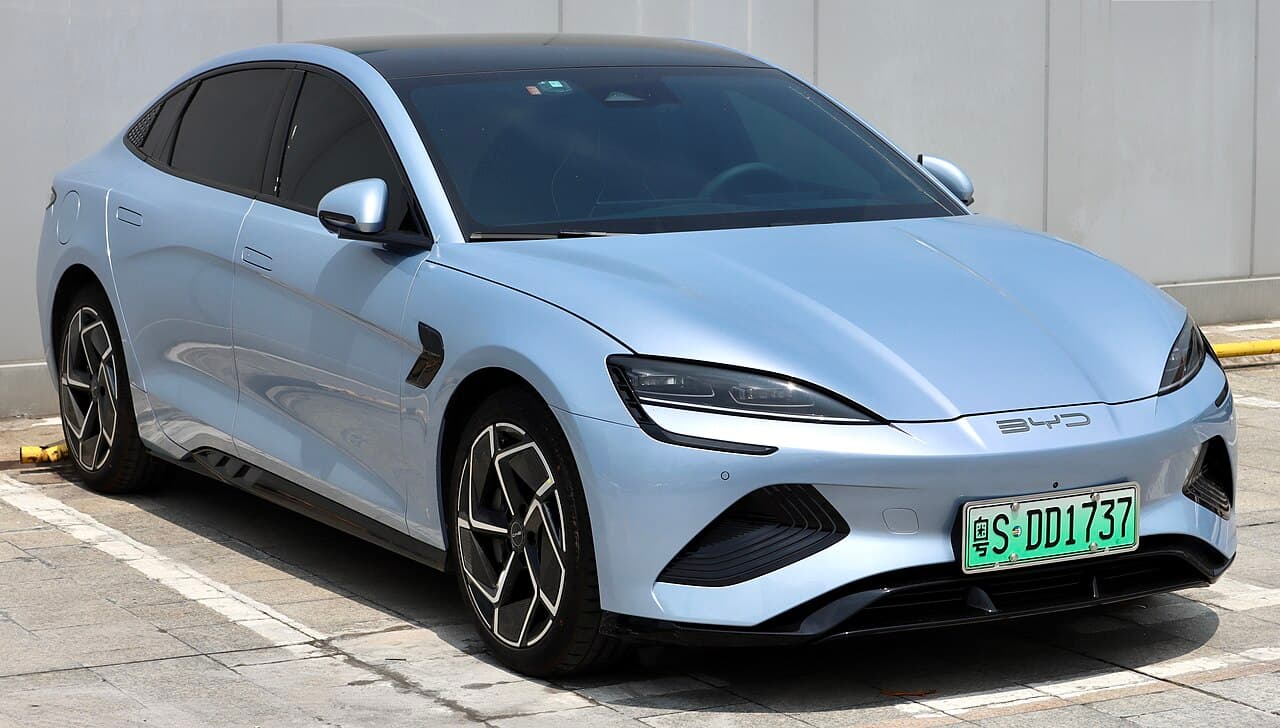
Global EV Tariffs & The 2026 Shift: How European and US Automakers Are Retooling
Escalating trade tariffs on imported electric vehicles have ignited a massive re-shoring race. From battery gigafactories in Germany and Hungary to joint ventures across North America, the automotive supply chain is being rebuilt.
News
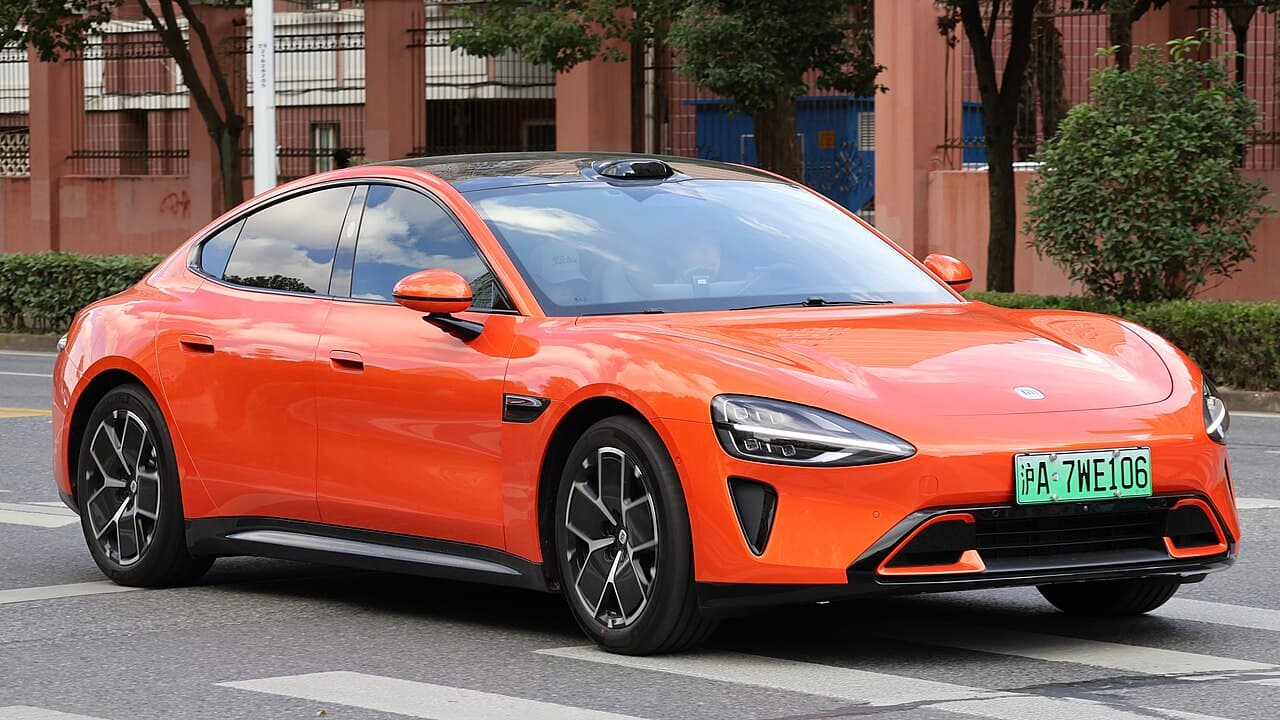
Nürburgring 2026 Lap Time Showdown: Production EV and Hypercar Records Shattered
With the Xiaomi SU7 Ultra prototype blitzing sub-6:50 times and Porsche's Weissach engineers firing back with the Taycan GT, the Green Hell is the battleground for electric and hybrid supremacy.